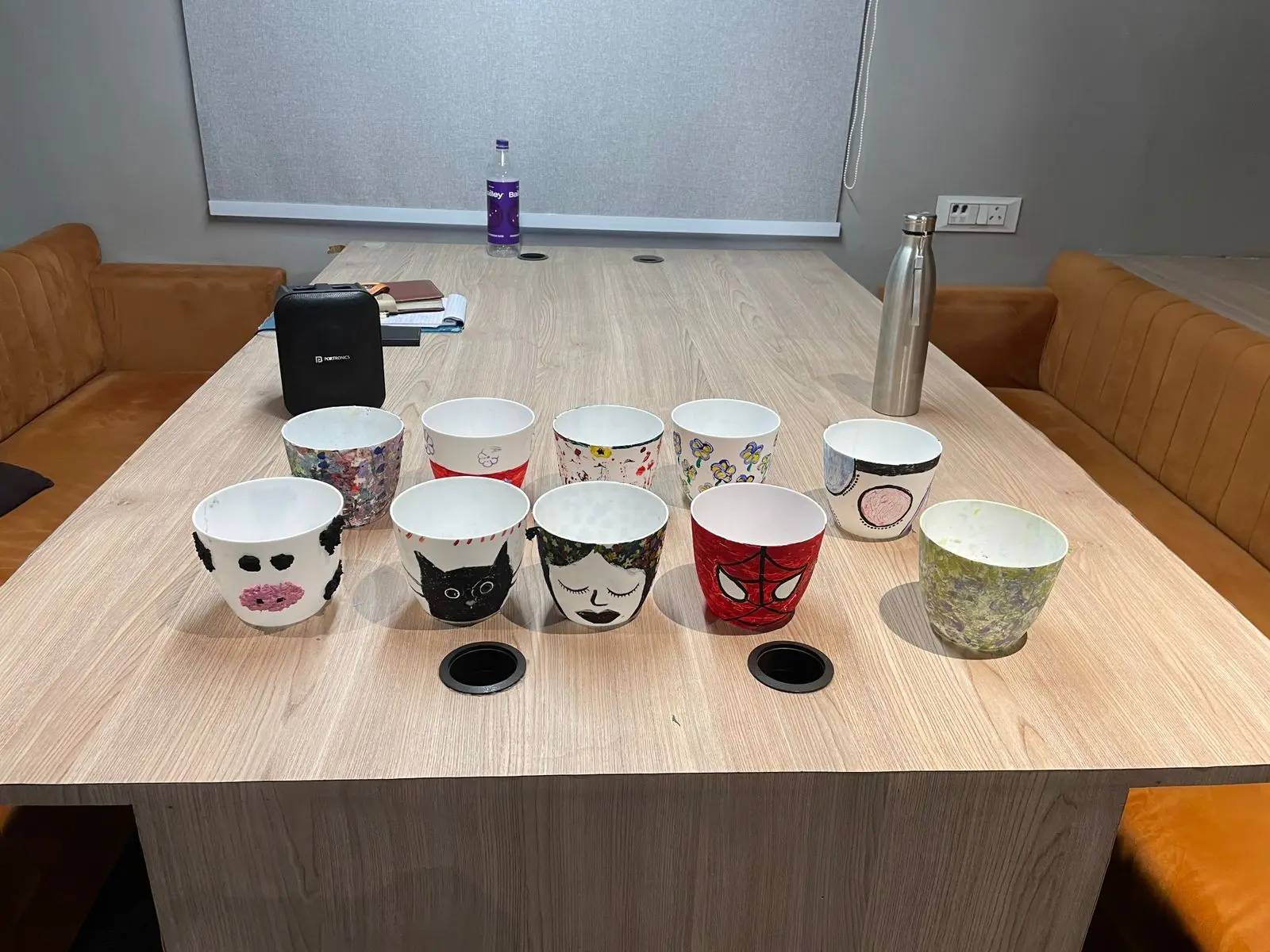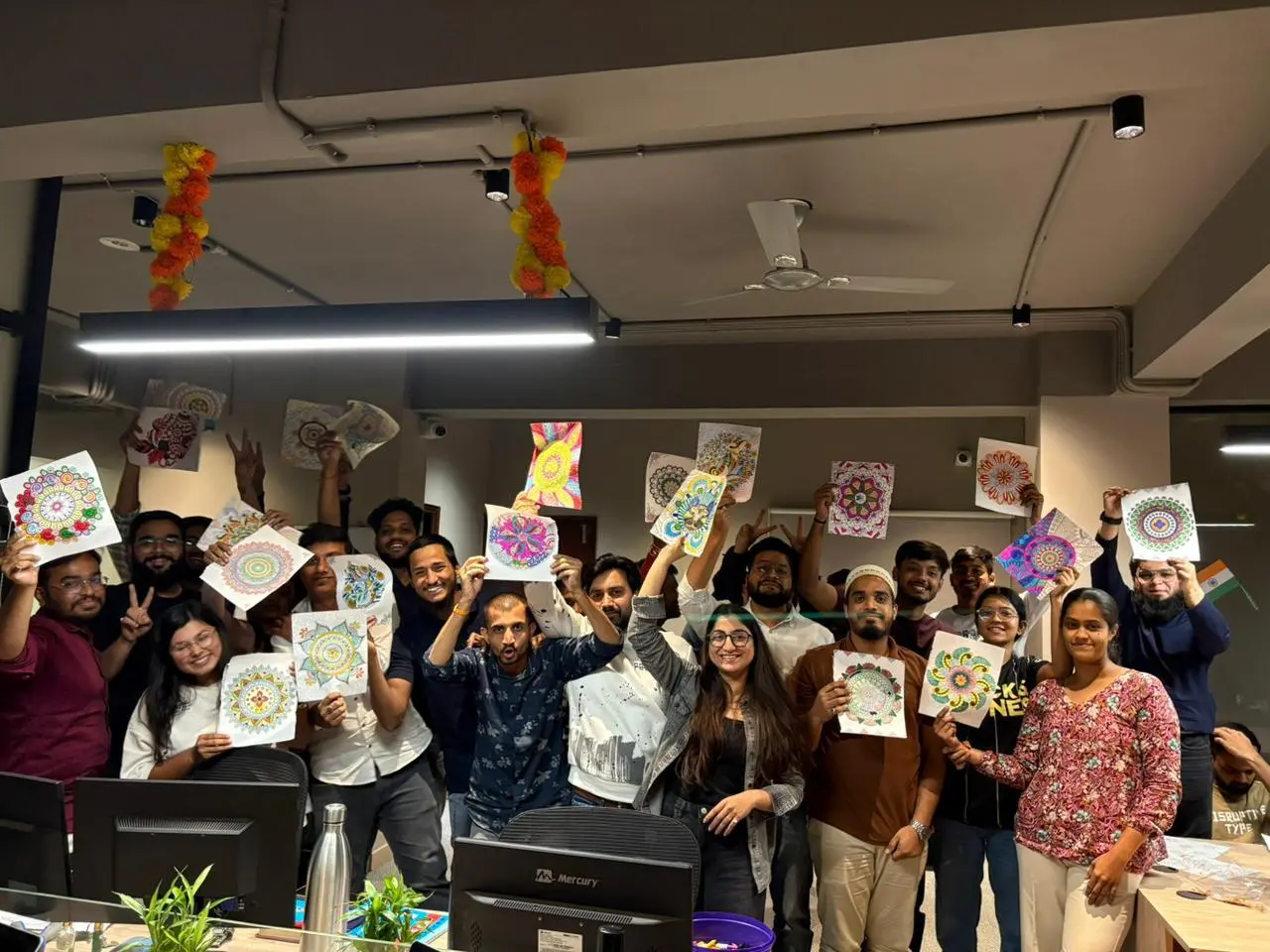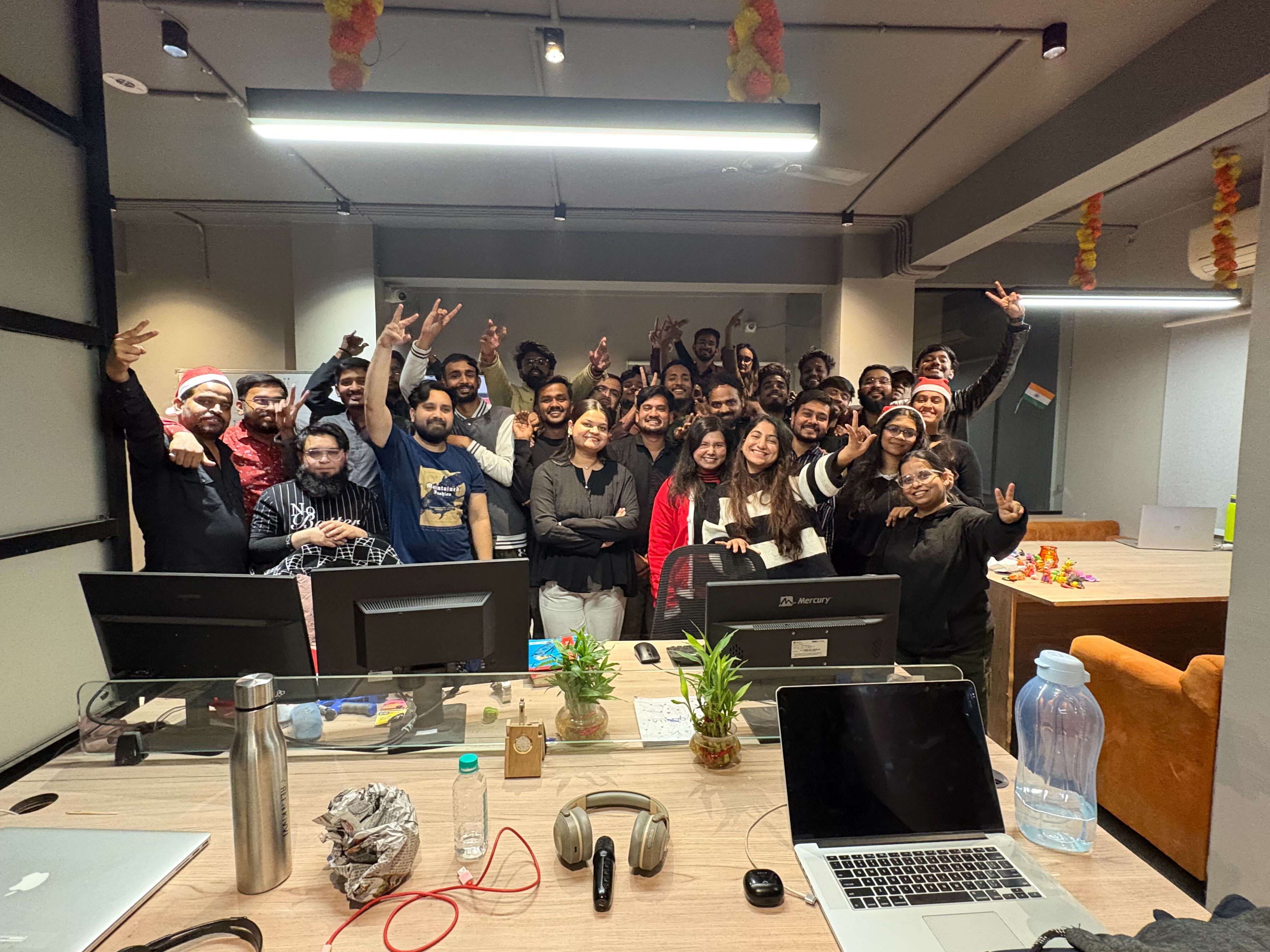

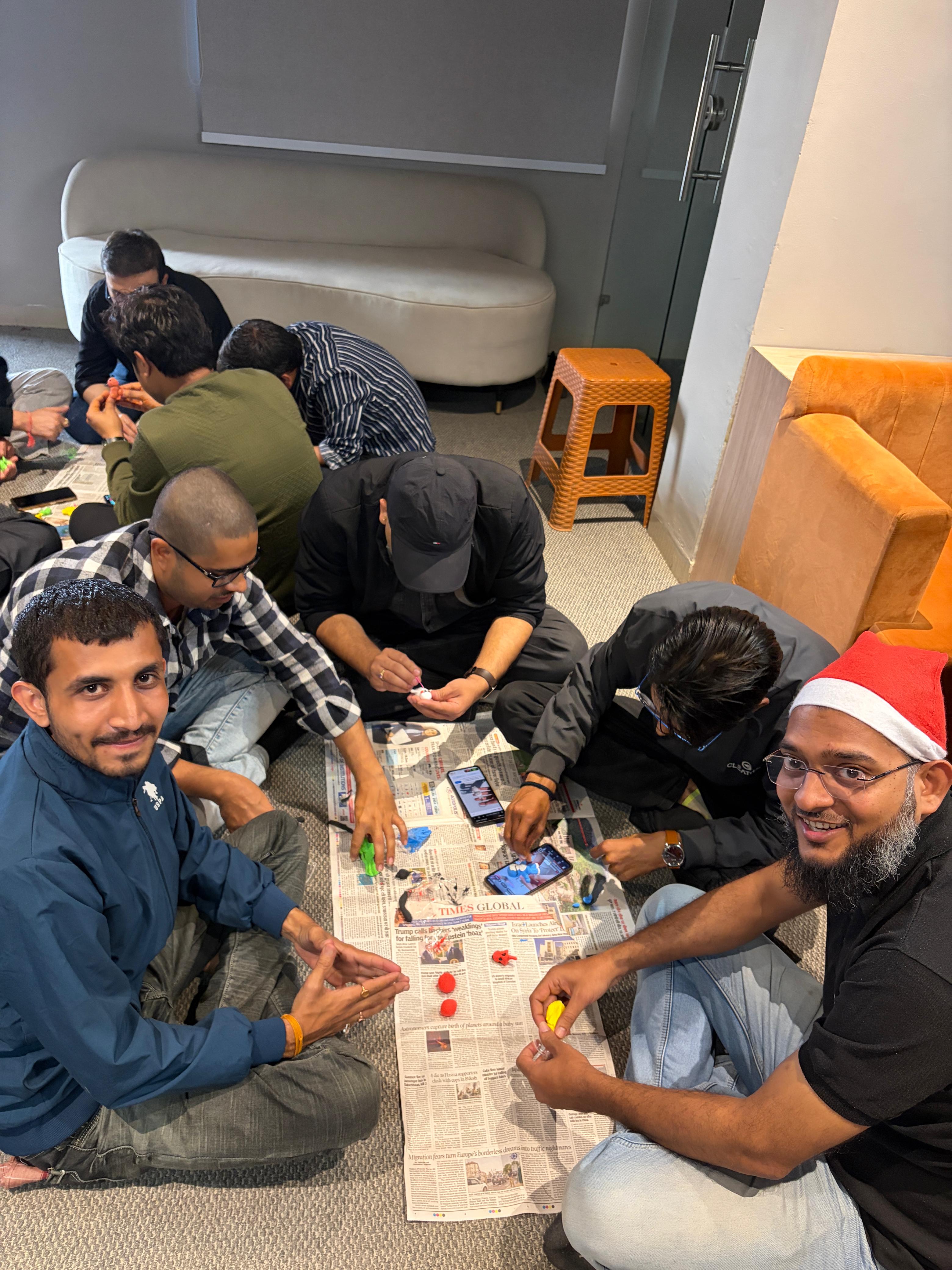
There is something quietly profound about watching a group of people, engineers, marketers, designers, analysts, sit together around a table with clay in their hands or a paintbrush between their fingers. They are not performing their job titles. They are not defending a quarterly number or racing a deadline. They are simply making something together, and in that act of making, something shifts.
This is what we do. And this is why we believe in it so deeply.
At our heart, we are a firm that has always thought that the quality of what we create for the world is inextricably linked to how our employees interact with one another. Great products emerge from great teams. Great teams are formed via genuine human connections. And a genuine human connection is rarely established in a conference room; it is forged through experience.
That is the philosophy that drives our team engagement programs, and it is the story we want to convey today.
Why Traditional Team Building Has Failed Us
We have all been there. The forced icebreaker. The trust that no one trusts. The offsite felt like a longer version of a Monday morning meeting, just with worse coffee and a name tag on your chest.
The problem with most approaches to team engagement is not that they lack good intentions; it is that they underestimate people. They treat engagement as a checkbox, a half-day activity squeezed between strategy sessions, something to be completed rather than something to be felt. And people, smart, perceptive people notice. They go through the motions. They smile for the photograph. And on Monday morning, nothing has actually changed.
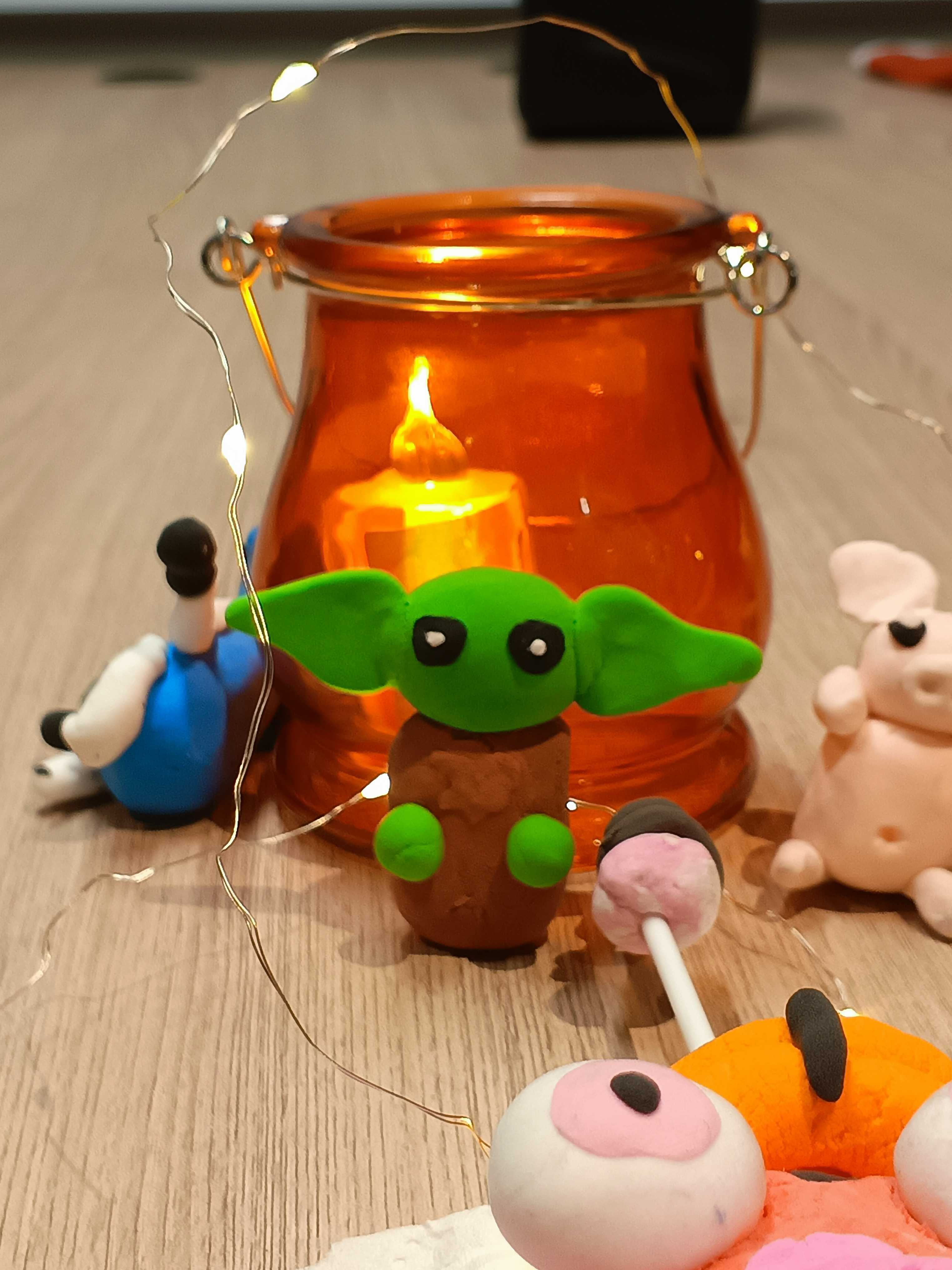
What We Create: Programs Built Around the Act of Making
Our programs are not for amusement. They are about expression, cooperation, and the unique type of vulnerability that comes with attempting to create something significant with people you may only know through a Slack channel or a weekly standup.
We create immersive creative experiences that employ art, craft, and storytelling to facilitate team development. Here's what that implies in practice.
Clay & Form: The Sculpting Sessions
There is something almost meditative about working with clay. It demands your full presence. You cannot multitask with clay in your hands. You cannot be halfway somewhere else. And when a team sits together shaping something from raw material, whether it is a shared sculpture, a collaborative vessel, or an individual piece that becomes part of a collective installation, something remarkable happens.
People begin to speak differently. The engineer next to the brand manager begins to enquire about her thought processes. The team leader, who is generally the loudest voice in the room, realises that in this situation, calmer instincts result in something magnificent. Hierarchies soften. Curiosity rises.
Our clay workshops are led by skilled artists who understand both the technique and the human aspects at play. They are structured enough to ensure safety while yet allowing for true discovery. The final debrief meeting, in which teams reflect on what the process revealed about how they work together, is consistently where our clients report that the most valuable insights emerge.
The Science of What We Initially Know
We are first and foremost practitioners, but we also study research. And the research is detailed: creative collaboration leads to measurable results for teams and companies.
Organisational psychology research repeatedly shows that shared creative activities boost psychological safety, the belief that you can take chances, share ideas, and be open without fear of being judged. According to Amy Edmondson's seminal Harvard study, psychological safety is the single most important predictor of team success. Not talent. Not a resource. Safety.
Neurologically, creating something, especially with others, causes the release of dopamine and oxytocin, the neurochemicals most connected with motivation, connection, and trust. When you create something with someone, your brain practically recognises them as an equal.
In practice, teams that have a common creative experience to turn to a painting they did together, a sculpture in the workplace, or a narrative they told have a touchstone. They have a moment to remember, proof of what they can do when they work together. In difficult times, that proof is more important than any purpose statement.
What Happens After: The Long Tail of Creative Engagement
One of the most common things our clients tell us, months after a program, is that they still talk about it. Not in a nostalgic, that-was-nice way, in an active, that-changed-something way. The team that painted a mural together still references it in meetings. The clay sculpture in the lobby still gets pointed out to new hires. The story circle becomes something people bring up when they want to explain what it actually feels like to work on their team.
This is the long tail of creative engagement. When you give people a shared experience of genuine creation, you give them a shared story. And shared stories are among the most powerful forces in human group dynamics. They define identity. They establish belonging. They remind people, especially in hard moments, of what they have already proven themselves capable of together.
We also offer follow-up sessions, integration workshops, and ongoing creative touchpoints for clients who want to sustain the momentum a program generates. Because we know that one experience, however meaningful, is a beginning not an end. Culture is built in accumulation, not in single events. We design our programs with that in mind.
A Reflection on Why We Do This Work
We started this company because we believed something that, at the time, felt slightly radical: that the most important investment a company can make is not in its products or its platforms or its processes it is in the human capacity of its people to genuinely work together.
We have not stopped believing that. If anything, the last several years have deepened our conviction. In a world where remote work has restructured proximity, where burnout has become an epidemic, where the pace of change leaves little room for reflection, the need for deliberate human connection has never been greater.
Color, clay, and collaboration are not metaphors for us. They are the actual materials we use to do actual work that we believe actually matters. Every program we design is an act of faith that when you give people a real creative experience, they will surprise themselves and each other. That surprise is where teams are genuinely built.
We have watched hundreds of teams walk into a studio at the beginning of a session guarded, slightly skeptical, not quite sure what they signed up for and walk out of it different. Not transformed overnight, but cracked open just enough. Enough to see a colleague differently. Enough to trust a little more. Enough to carry something home.
That is the work. And we could not be more committed to it.
Final thoughts
We live in an age that values speed, scale, and systems. We improve pipelines, automate activities, and track everything that can be monitored. Nonetheless, the quality of trust between two human beings who choose to work for something together remains the deciding factor in whether a team flourishes or simply survives. Colour, clay, and teamwork are not new. They are not incentives or team-building gimmicks dressed up in artisanal style.
Every firm is ultimately based on relationships. Concerning the tacit willingness of one person to cover for another when things are tough. On the fortitude of a junior team member to express a concern in front of a group of senior leaders.
.jpg)