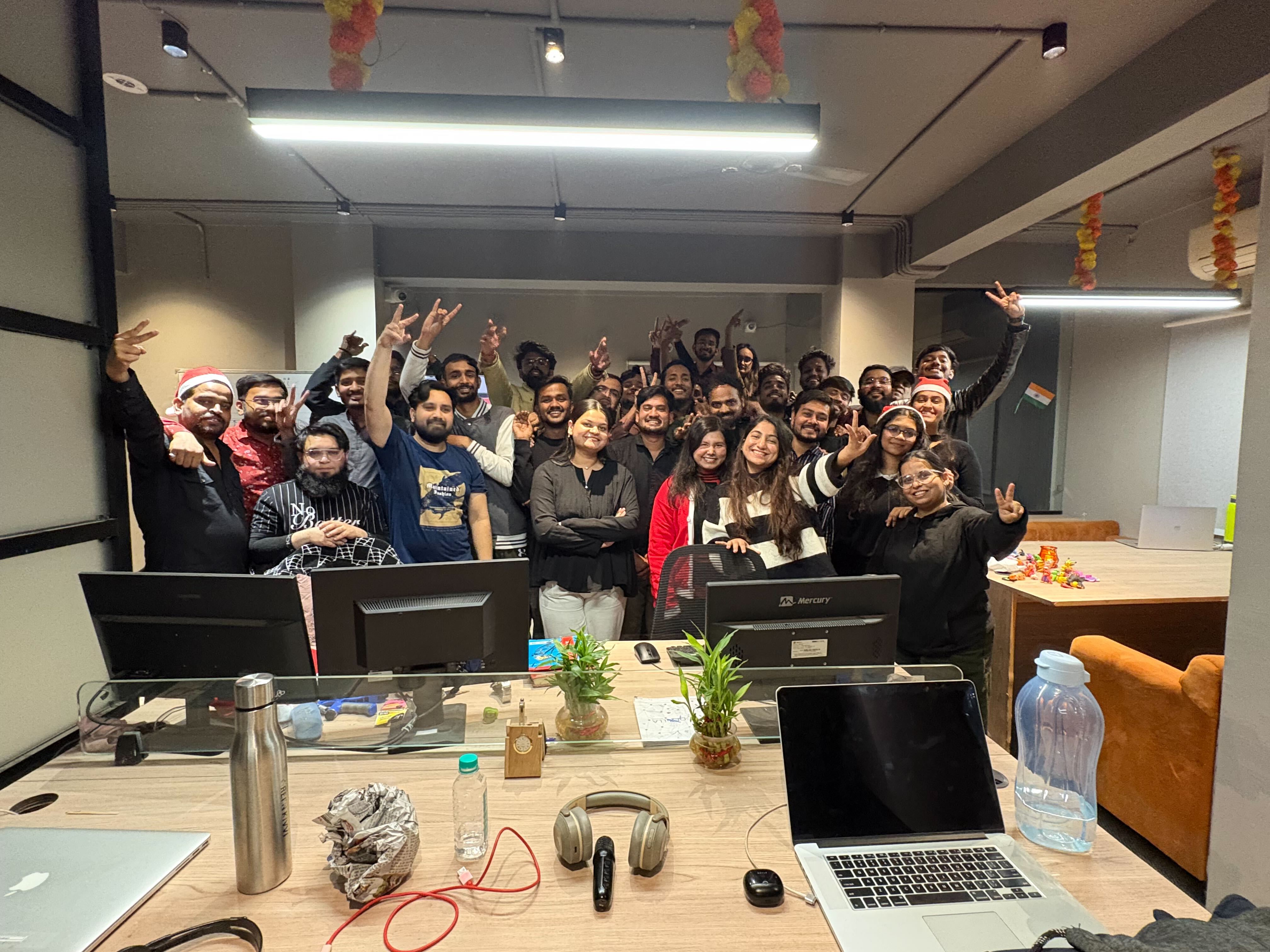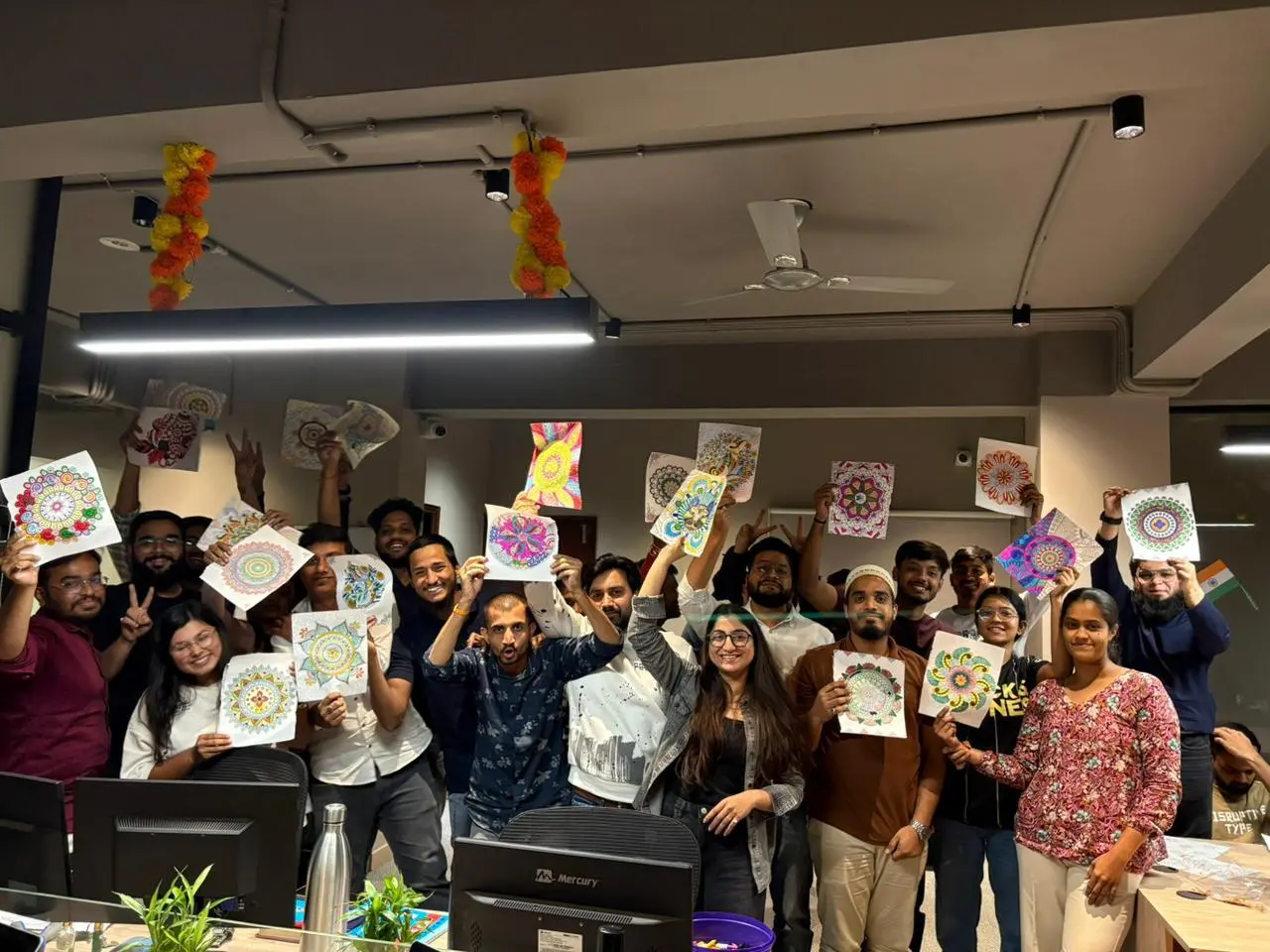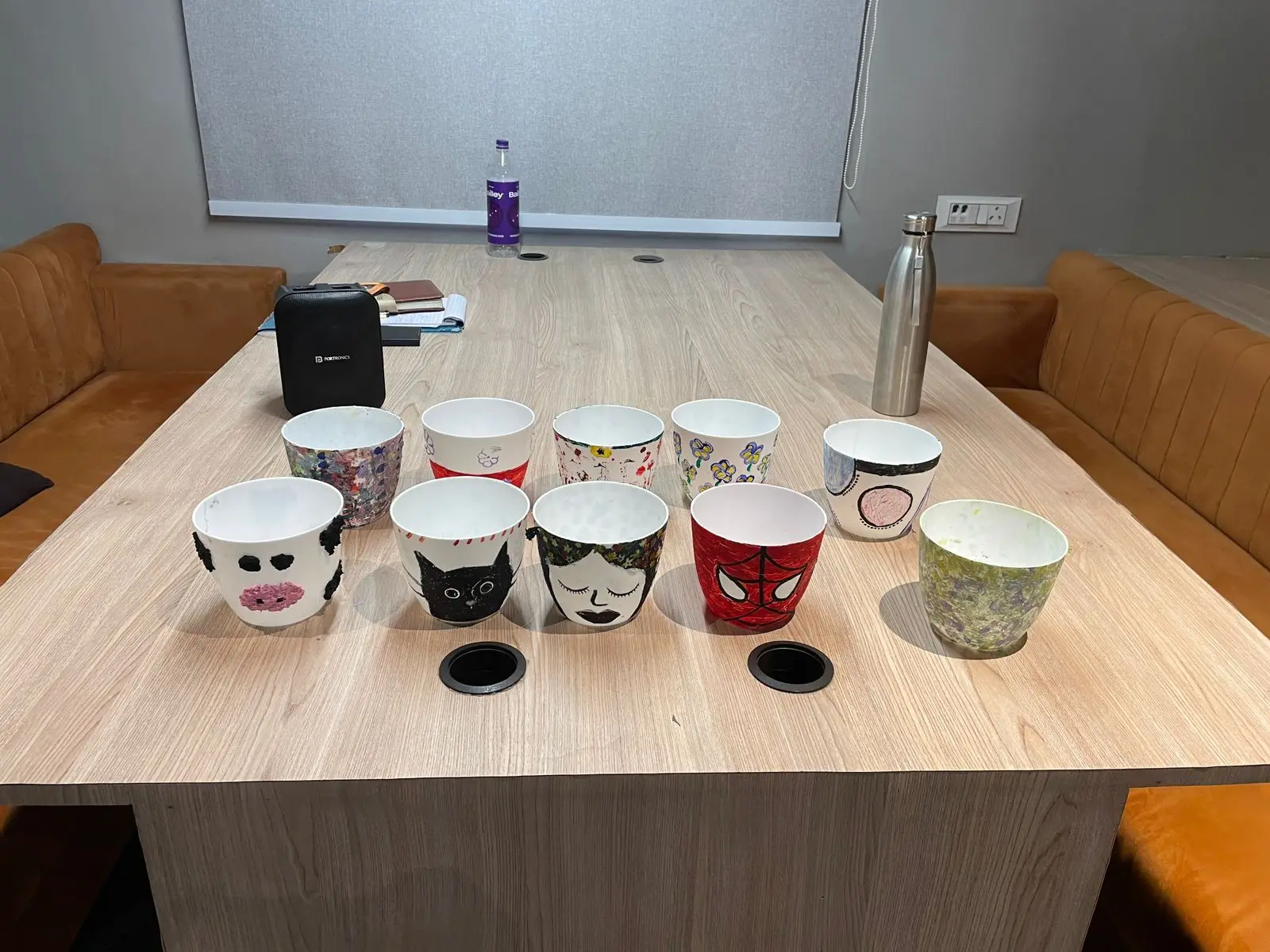

Nobody walked in expecting to be good at it. That was the point. On a typical weekday afternoon, our team traded laptops for lumps of clay, spreadsheets for spinning wheels, and deadlines for... well, simply being there. What happened over the next several hours was one of the most genuinely joyous, team-building experiences we've ever had, and believe us, we've tried a few. This is the narrative of our office pottery session: what it looked like, how it felt, and perhaps most interestingly, what it quietly taught us about ourselves and one another.
Why pottery? Here's the honest answer.
When the idea first came up in a team meeting, there was a moment of stillness that might have gone either way. Pottery? But when we thought about it, it became clearer. Pottery is tactile, slow, and totally unforgiving of distractions. A pottery wheel requires complete concentration. The clay will tell you right away if your mind is elsewhere. For a workforce that lives digitally in tabs, chats, and to-do lists, the prospect of something completely analogue seemed almost radical. And radical felt correct.
What actually happened in that room?
The energy changed after fifteen minutes. The team's polished, professional side the one that attends quarterly evaluations and presentations quietly withdrew. It was replaced by something more authentic: true concentration furrowing brows, amusement at wildly skewed bowls, and the occasional triumphant cheer when something retained its shape. One team member was able to bring down the same ship three times before landing on what she proudly described as "abstract but intentional."
There was no one above the mess. The foreheads of senior leadership were covered in clay. Our team's most technically proficient member created a shape that is kindly described as a "conceptual ashtray." Everyone had difficulties. Everyone chuckled. The tone of the room subtly but clearly changed throughout that joint battle.
No trust-fall exercise could ever break down hierarchies like the earthy scent of wet clay, the background music, and the hands-on experience of creating something. Individuals who don't often connect at work ended up bending over to discuss methods, gently fixing each other's shaky walls, and sharing little triumphs. The space had the cosiness of a communal kitchen; it was real, familiar, and unguarded.
The music, the mess, and what it meant for us as a team.
At some point in the afternoon, nobody could say exactly when the energy in the room reached a kind of quiet peak. The music had settled into something slow and soulful. Most of the team was deep in focus, hands moving carefully around their pieces. And there was this pocket of shared silence that wasn't awkward at all. It was the kind of silence that only exists between people who are genuinely comfortable with each other.
The pottery session reminded us that behind every role and every responsibility, there are actual human beings, curious, creative, occasionally terrible at centring clay. Getting to see those humans show up, struggle, laugh, encourage each other, and make something with their hands. That's not a nice-to-have. That's team culture, practised in its most honest form.
We came back different. Here's what we mean by that.
Monday of the next week seemed lighter. Not because our interests or initiatives had changed in any way; they remained just as we had left them. However, those seated around the table felt more like human beings. It was warmer, the little conversation. The cooperation felt more like a genuine creative partnership than coordination. Someone entered and placed their crooked, tiny bowl on their desk. It became a topic of discussion for the entire week.
Every organisation is currently having discussions about workplace wellbeing and employee engagement, and for good reason. However, a new policy or a reorganised incentive may not always be the most effective investment in your staff. Sometimes it takes three hours, a room filled with clay, and music that comprehends the task.
Pottery classes foster team connection, creative confidence, and psychological safety. They make it possible for humans to appear without armour, not because they are made to. And that is really important for your team members as well as for the work you accomplish as a group.
Five things we didn't expect.
Silence grew comfortable quickly. Nobody knew exactly when it happened, but the room fell into a comfortable silence. Just the music, the faint rhythm of hands on clay, and the shared focus of individuals who are actually interested in something. That kind of silence happens only between people who are comfortable with one another. It arrived faster than we anticipated.
Failure developed into a language. When everyone fails at the same thing at roughly the same rate, failure becomes a shared lexicon rather than a personal verdict. Stories about crumbling walls and spinning calamities were the currency of the room. We laughed with genuine affection at ourselves and, more importantly, at each other.
The body remembered what the mind had missed. Working with your hands, particularly for something slow and physical, calms the part of your brain that keeps track of what you haven't done yet. People who appeared to be tense left noticeably lighter. Nobody checked their phones.
The objects were transported back home. At the end, everyone took their slice. Uneven, fingerprinted, and flawed. But made. The following Monday, someone placed a little, misshapen bowl on their desk. It was the most talked-about object in the office for a week. It was proof of something, but no one specified what.
Why pottery works for team building
It demands full presence
You cannot scroll, multitask, or half-listen at a pottery wheel. The clay simply collapses if you do, which makes it a rare, total digital detox.
It equalises the room instantly
No prior skill translates. The most senior person and the newest hire are equally lost and equally delighted from minute one.
Failure is built in
When everyone is visibly struggling, failure loses its sting. It becomes something to laugh about together, not something to hide.
It's sensory
The smell of wet clay, the texture underhand, the music in the background, it activates parts of us that spreadsheets simply don't reach.
Some things can only be built with your hands
Every organisation right now is deep in conversations about employee wellbeing, psychological safety, and authentic team culture. Most of those conversations are happening in meeting rooms, on slides, in policy documents. That's fine structure matters. But structure alone doesn't build trust. Shared experience does.
What pottery gave us wasn't a framework or a takeaway or a set of action items. It gave us a room full of humans struggling at the same thing, laughing at the same failures, quietly proud of the same small wins. That's harder to manufacture than any off-site agenda. And it's more valuable.
.jpg)